

Complete Control of the Gun when Firing
Trigger control, along with sight picture, is probably the most important topic for shooters and often separates a beginning shooter from an intermediate or great shooter. I blame Hollywood for this issue. If you watch most movies or TV shows, the level of accuracy when it comes to guns and proper firearms techniques is horrible. Sure, there are exceptions to the rule such as the John Wick series, or SEAL Team but in most Hollywood productions, the actors are just Willie Nillie slapping the trigger. That doesn't work in real life, and shooters will just end up using a whole life-sized target as a group.
How the Trigger Wall Relates to Trigger Control
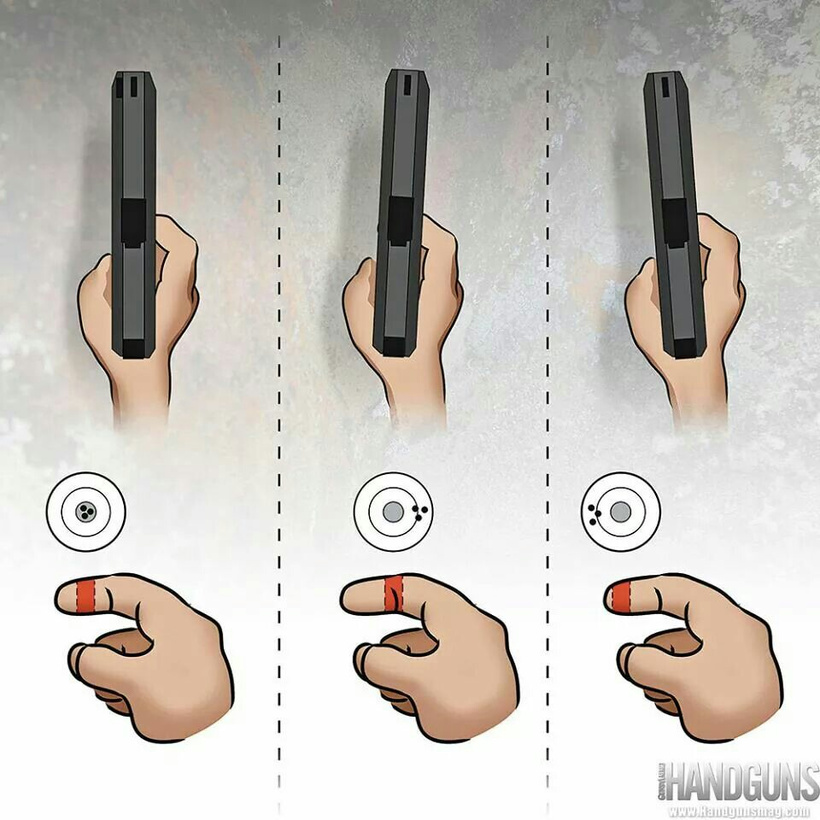
When practicing trigger control, shooters often strive to become familiar with the trigger wall of their specific firearm.
Finger Placement
-
The shooter positions their trigger finger on the trigger, feeling the initial slack or take-up in the trigger movement before encountering the trigger wall.
-
The finger should be positioned in a consistent and repeatable manner, ensuring it is in contact with the trigger but not applying excessive pressure.
Trigger Break
-
Once the shooter reaches the trigger wall, they continue to apply smooth, steady pressure, increasing the force until the trigger breaks.
-
The trigger break is the moment when the trigger releases, causing the firearm to discharge. The goal is to execute the trigger press without inducing any jerking or flinching movements that can impact accuracy.
Follow Through
-
After the trigger breaks, the shooter should maintain proper follow-through, keeping the trigger pressed to the rear while maintaining sight alignment and sight picture.
-
This helps ensure a stable platform during recoil and allows for quick follow-up shots if necessary.